
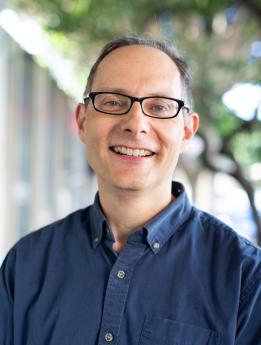
Senior Scientist
Director: Rehabilitation Engineering Research Center
Ph.D.
The goal of our laboratory is to develop and test assistive technology for blind and visually impaired persons that is enabled by computer vision and other sensor technologies.
Contact Information:
Email: coughlan@ski.org
Office Phone: (415) 345-2146
2318 Fillmore Street
San Francisco, CA 94115
Links:
Link to Google ScholarPublications





Projects
 ActiveSKribbleEyes
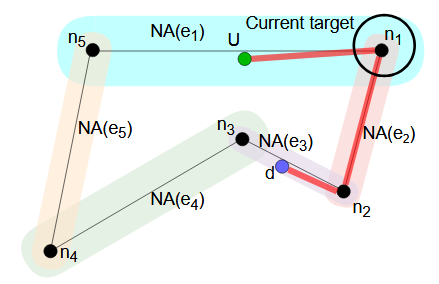
Scribble Eyes is an Apple iPad/Pencil-based app that automates the data collection, analysis and interpretation process for paper-based tests traditionally used to screen patients with central visual field loss in the clinic.
 Interactive Tactile Map at Google ADC Milan
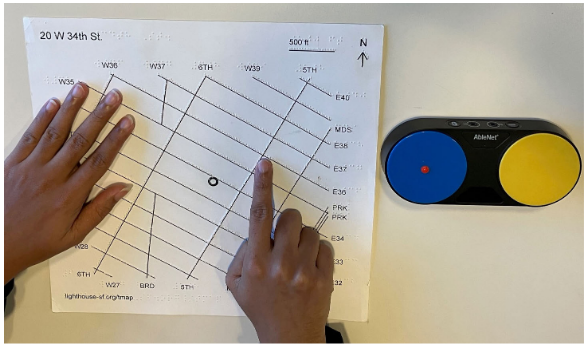
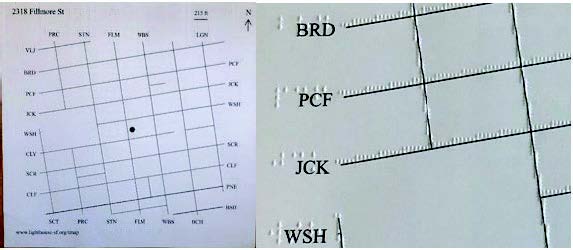
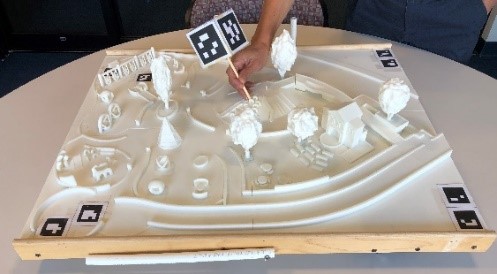
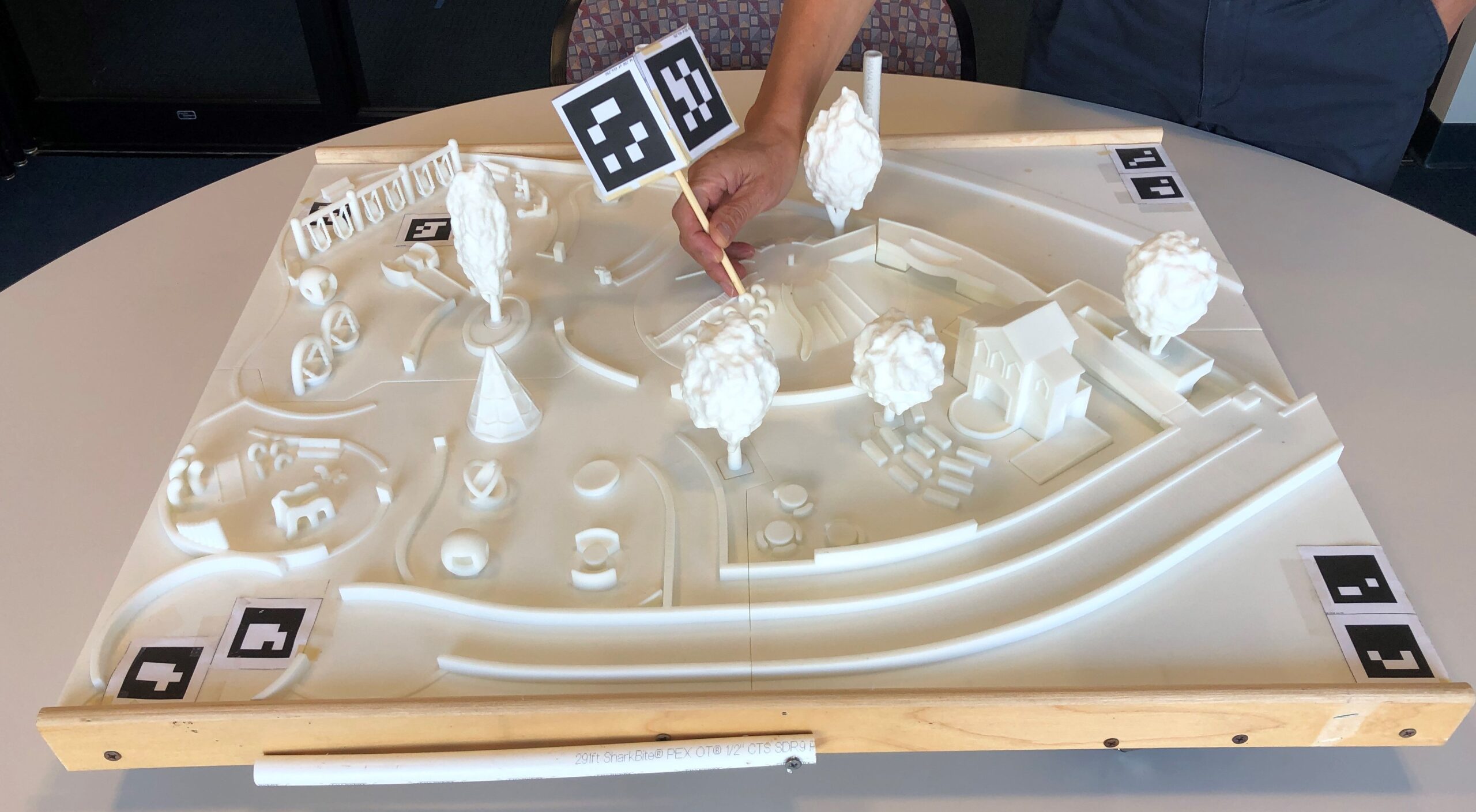
This is an installation of the CamIO project that adds interactivity to a tactile map of the Google Accessibility Discovery Center in Milan, Italy.
 ActiveUsing VR to Help Train Visually Impaired Users to Aim a Camera
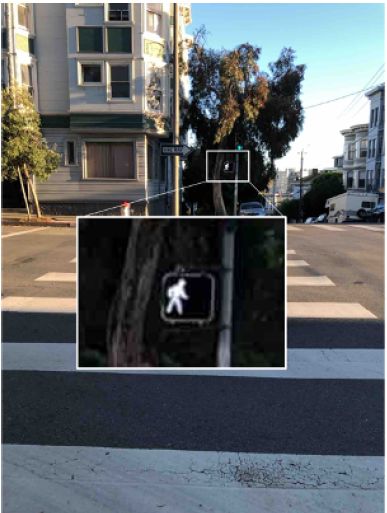
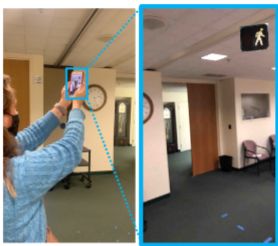
People with visual impairments increasingly rely on camera-enabled smartphone apps for tasks like photography, navigation, and text recognition. Despite the growing use of these applications, precise camera aiming remains a significant challenge. This project explores the impact of virtual reality (VR) exploration in the context of learning to use a camera-based app. So far we have studied this approach in the context of training a visually impaired person to use walk-light detector app at traffic intersections.
 Smith-Kettlewell Summer Institute
The Smith-Kettlewell Summer Institute program is a multi-year, learning opportunity designed to provide training for blind and visually impaired students, recent graduates, and early career researchers interested in data skills that will enhance Science, Technology, Engineering and Math (STEM) jobs within industry, government, non-profit organizations or academia.
In today’s research climate, individuals are expected to have many skills at their fingertips. Often researchers are required to build software and hardware environments to run studies, to gather and analyze data and to prepare…
 ActiveEmpowering Data Vision: Data Science Course for Blind Individuals using Python
Call for Participation:
Second Smith-Kettlewell Summer Research Institute, “Empowering Data Vision: Data Science Course for Blind Individuals using Python”
The Smith-Kettlewell Eye Research Institute, the University of Michigan and the University of Illinois at Urbana-Champaign are delighted to present our second on-line course dedicated to data science for blind individuals.
Overview:
This course, “Empowering Data Vision: A Data Science Course for Blind Individuals using Python,” will teach blind individuals the basics of using Python to interact with datasets. The course will be offered on…
 ActiveCamIO Hands
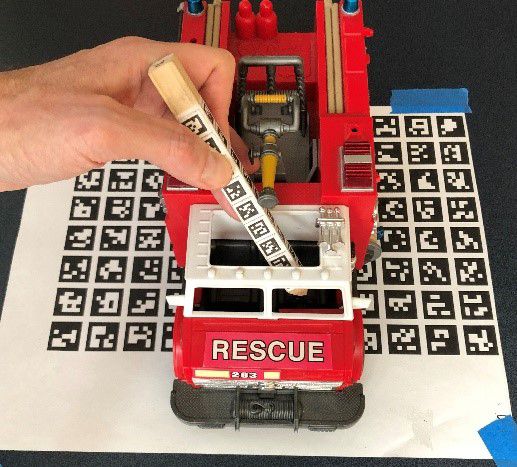
This project builds on the CamIO project to provide point-and-tap interactions allowing a user to acquire detailed information about tactile graphics and 3D models.
The interface uses an iPhone’s depth and color cameras to track the user’s hands while they interact with a model. When the user points to a feature of interest on the model with their index finger, the system reads aloud basic information about that feature. For additional information, the user lifts their index finger and taps the feature again. This process can be repeated multiple times to access additional levels of…
 CompletedTalking Signs
Created by William Loughborough in 1979, Talking Lights was a system of infrared transmitters and receivers allowing blind and visually impaired travelers to quickly and easily “read signs” at a distance.
 ActiveEmpowering Data Vision: A Data Science Course for Blind Individuals Using R
The goal of the “Empowering Data Vision: A Data Science Course for Blind Individuals” program is to help people with visual impairments acquire advanced skills related to STEM subjects and careers.

Labs
 Coughlan LabThe goal of our laboratory is to develop and test assistive technology for blind and visually impaired persons that is enabled by computer vision and other sensor technologies.
Centers
 Rehabilitation Engineering Research CenterThe Center's research goal is to develop and apply new scientific knowledge and practical, cost-effective devices to better understand and address the real-world problems of blind, visually impaired, and deaf-blind...


