

Senior Scientist
M.D., Ph.D.
The research in my lab focuses on the sensory processing in binocular vision and its disruption by amblyopia and strabismus. The current project is to use EEG source imaging combined with psychophysics and pupil tracking to investigate the role of selective visual attention in interocular suppression, as well as the spatial and temporal dynamics of visual processing in people with disrupted binocularity.
Contact Information:
Email: chuanhou@ski.org
Office Phone: 415-345-2073
Fax: 415-345-8455
2318 Fillmore St
San Francisco, CA 94115
Publications





Projects
 ActiveBinocular Rivalry and its neural processing in cortical hierarchy
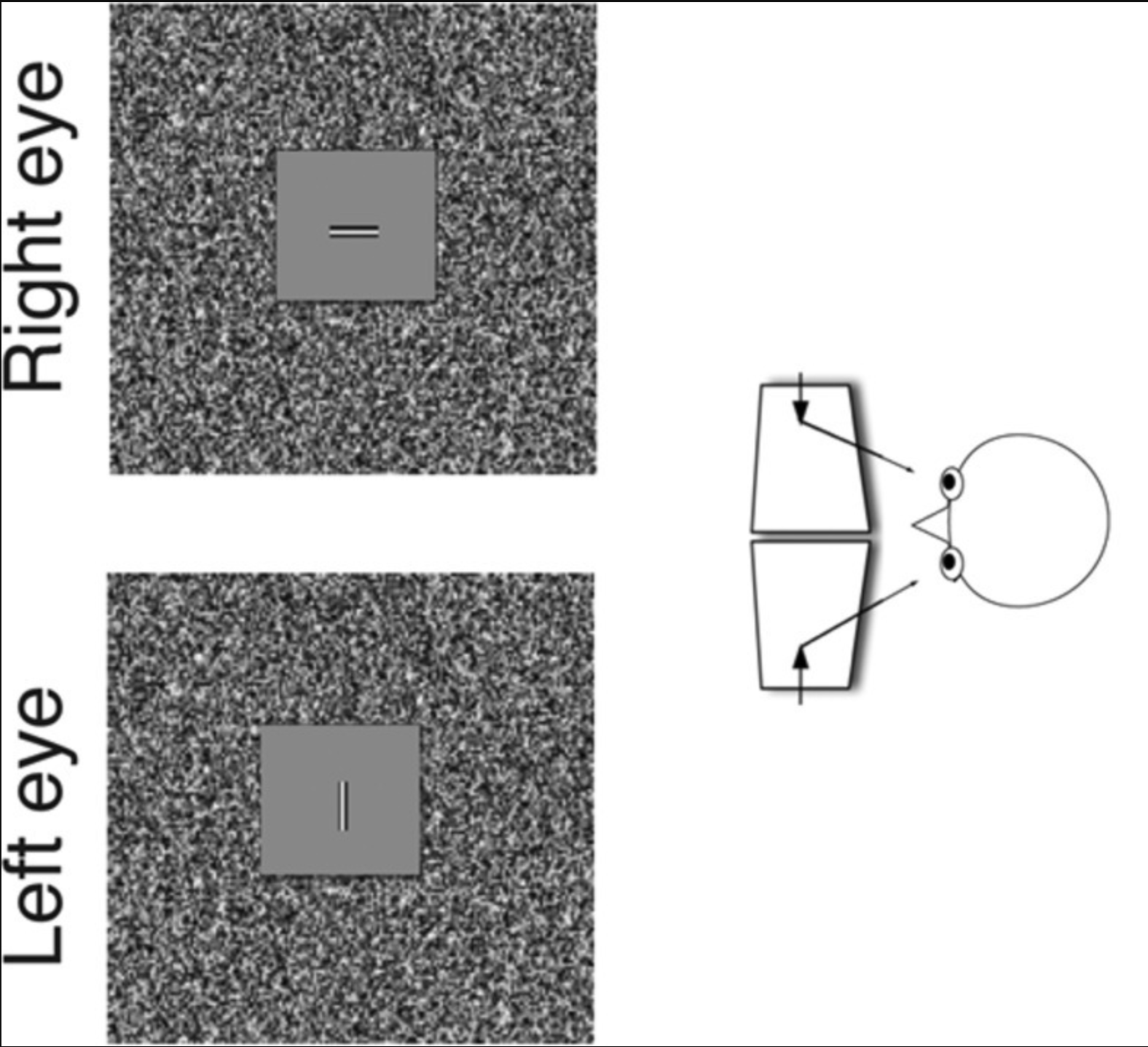
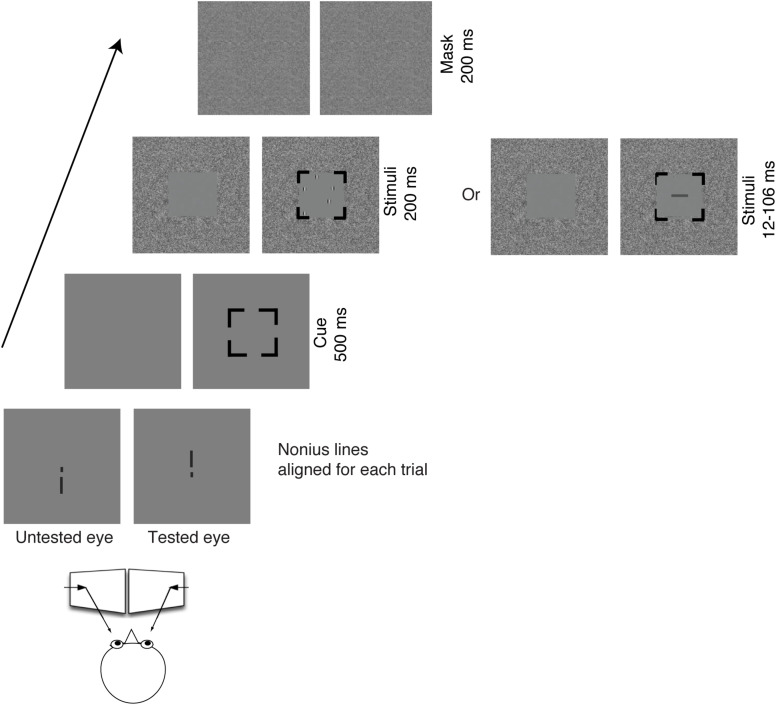
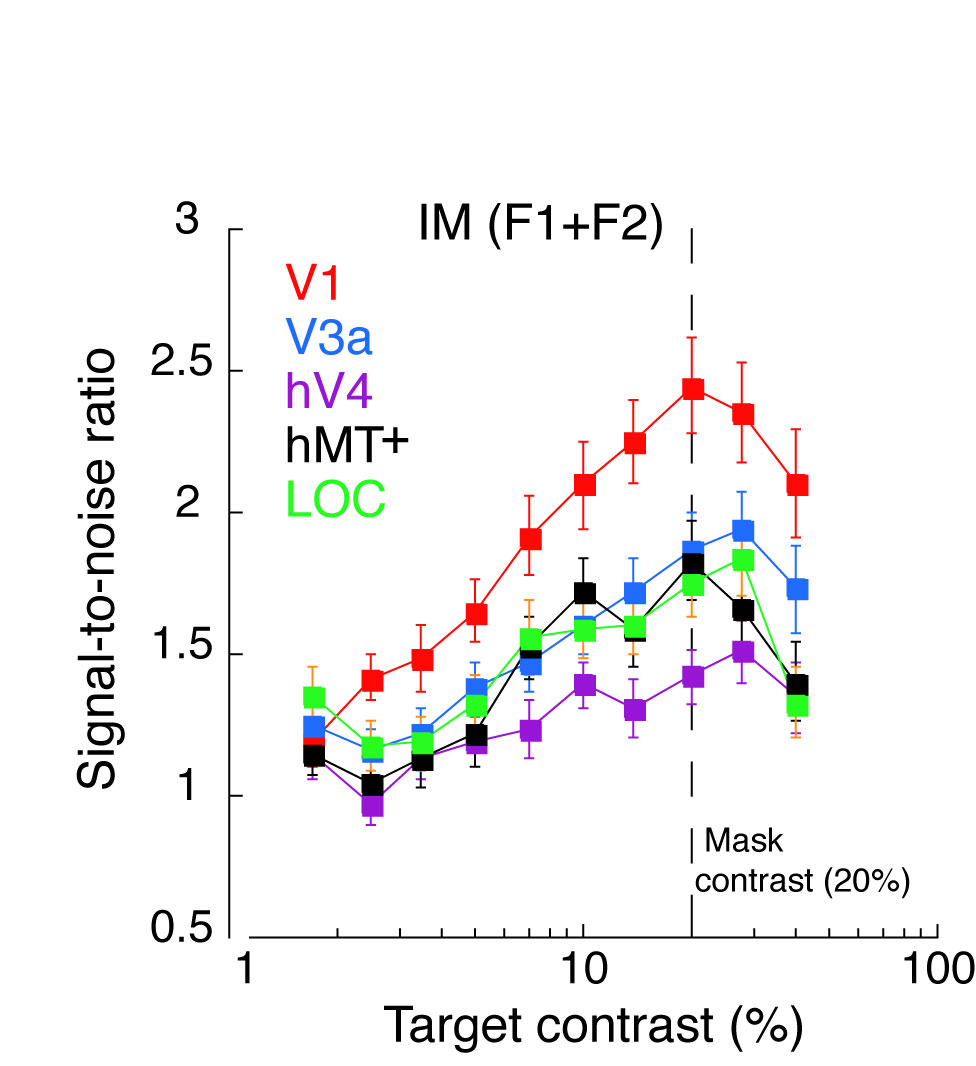
It has been a mystery as to what level of cortical hierarchy is suppressed in visual processing from the amblyopic eye and how neural representations change when increasing contrast or paying attention to the amblyopic eye. In this project, we will adapt a standard EEG binocular rivalry paradigm, which modulates stimuli at different frequencies in each eye and incorporates a behavioral measure of perceptual eye dominance. We will simultaneously measure neural activity along the cortical hierarchy and perceptual eye dominance under 3 conditions: equal contrasts in the two eyes, perceptually…
 ActiveMultisensory Interactions Between the Primary Sensory Cortices
Under construction!
- ActiveThe Role of Selective Visual Attention in Amblyopic Suppression
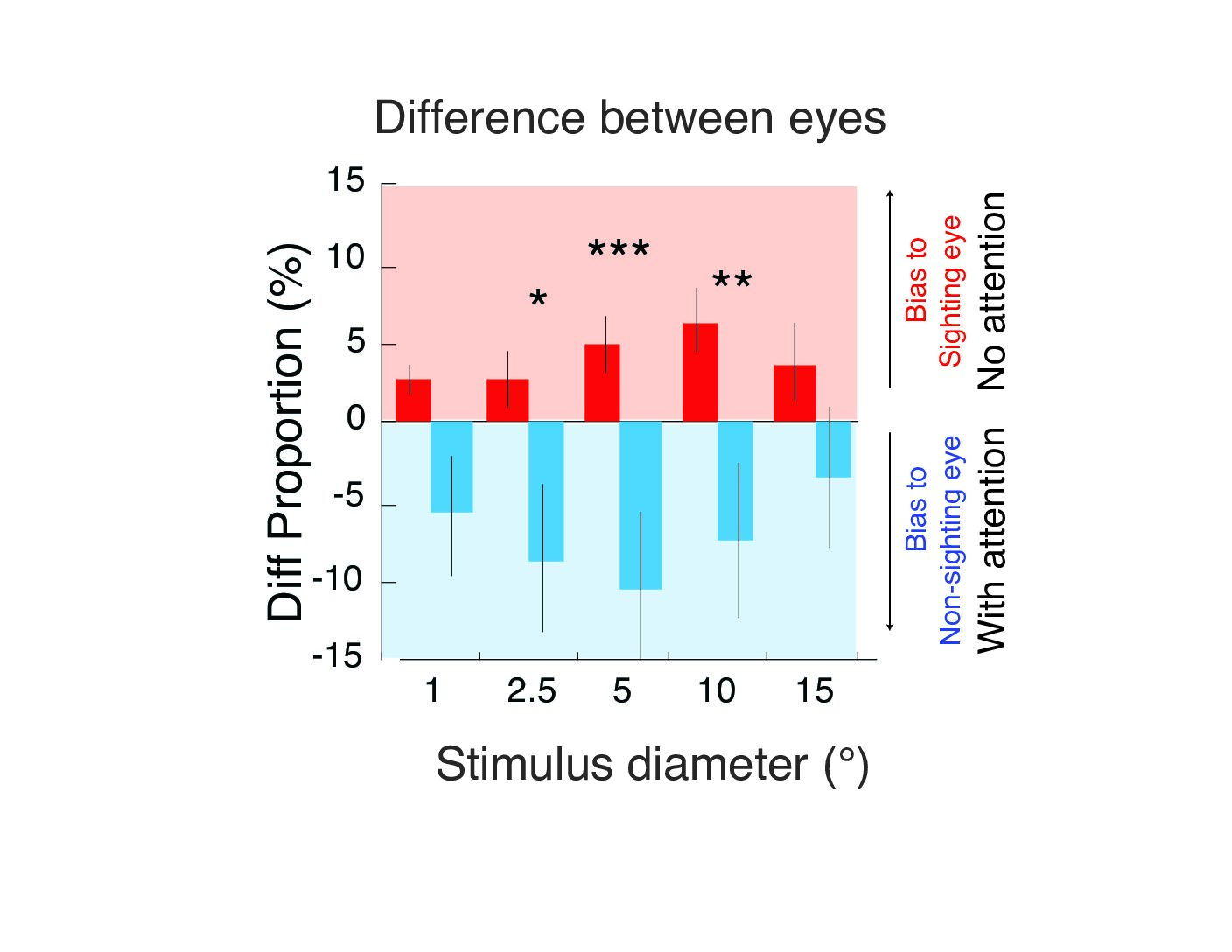
Individuals with strabismus are confronted with double vision, their brain has to choose to attend to one image and ignore or suppress the other. It has been commonly suggested that a constant suppression on the non-preferred eye in strabismus is responsible for the development of amblyopia. In the current project, we study the role of top-influences of attention in amblyopic suppression and test the hypothesis that visual suppression in amblyopia may be a form of long-term attentional “neglect”.
 CompletedAlleviating interocular suppression by high-attention demand training in amblyopia
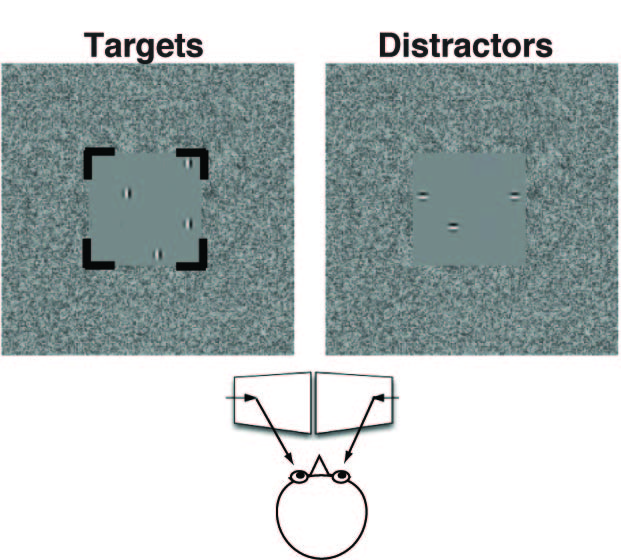
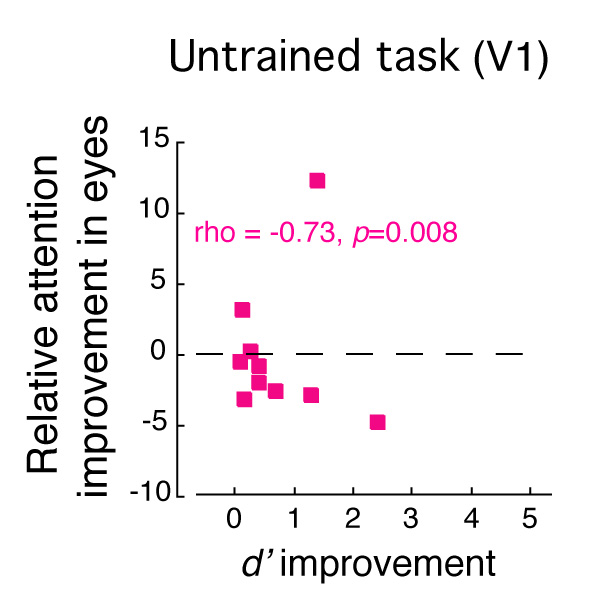
The goal of this project is to test a hypothesis that whether or not training patients to pay more attention to the input from the amblyopic eye can overcome interocular suppression to treat amblyopia.
 CompletedFellow Eye Deficits in Strabismic Amblyopia
Fellow eye abnormalities have been reported in a number of psychophysical and VEP studies. The goal of this project is to characterize the fellow eye deficits.
 ActiveGrouping and Perception in Different Types of Amblyopia
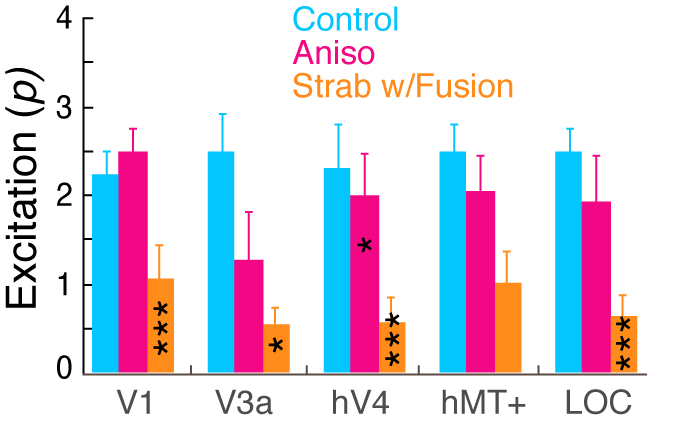
This project was to measure the neural correlates of grouping and perception in different types of amblyopia. We found that strabismus generates significant abnormalities at both early and later stages of cortical processing and, importantly, that these abnormalities are independent of visual-acuity deficits
- CompletedVisual Cortical Function in Very Low Birth Weight Infants
Preterm infants are at high risk of visual and neural developmental deficits. We used swept parameter visual evoked potential (sVEP) to determine whether premature birth alters visual cortical function.
Labs
 Good LabOur laboratory studies the conditions which cause monocular or bilateral blindness in infants and children.


